Ownership
Boat and Yacht Maintenance in Saudi Arabia: Inspection Guide
top1markting
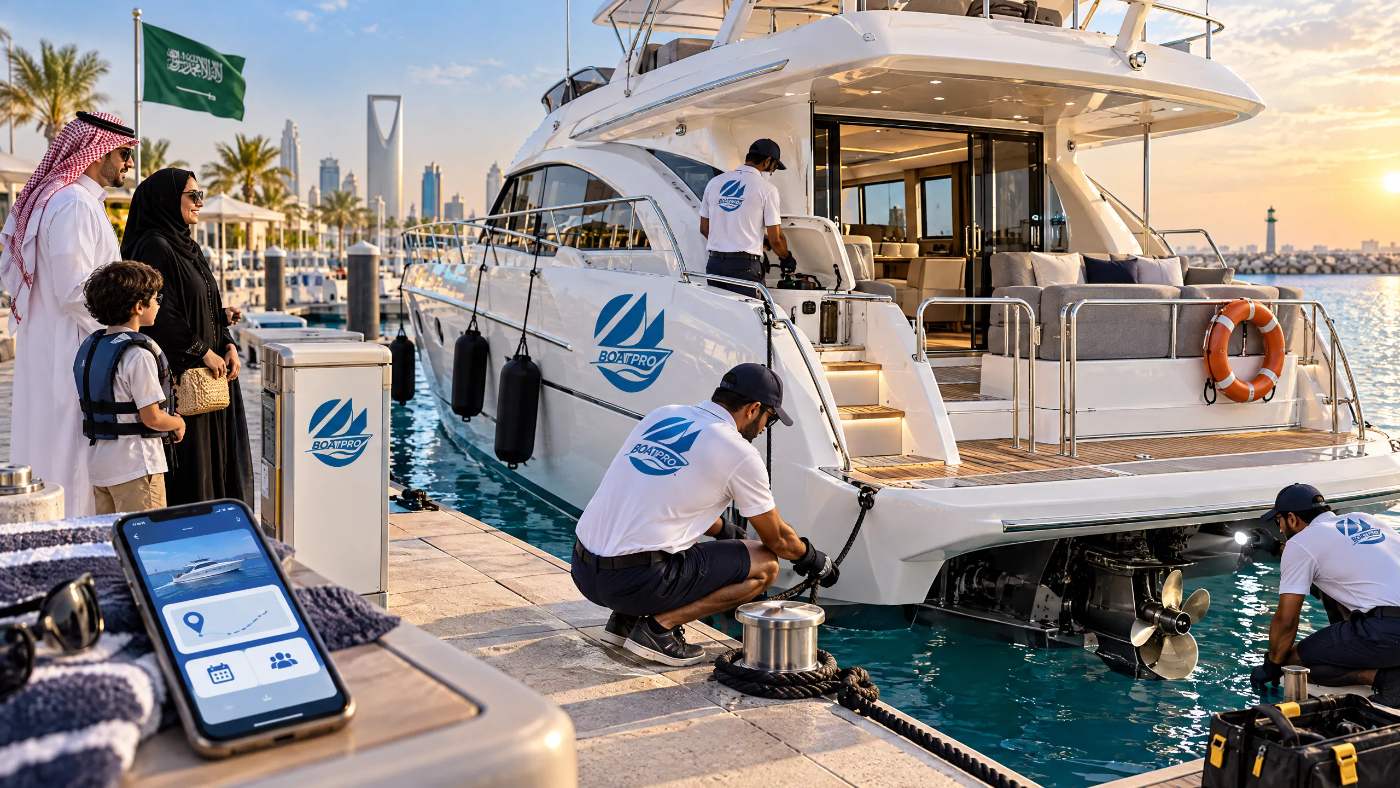
Learn how to inspect boats and yachts before departure in Saudi Arabia, check engines, fuel systems and safety equipment, and compare marine maintenance services.
Boat and Yacht Maintenance in Saudi Arabia: A Pre-Departure Checklist
Is your boat ready for your next marine trip? Before leaving the marina, checking that the engine runs and there is enough fuel is not enough. You also need to inspect the hull, electrical systems, and safety equipment, and make sure there are no leaks or obvious signs of damage.
Boat and yacht maintenance in Saudi Arabia is particularly important when planning marine trips, whether along the Red Sea coast or the Arabian Gulf. Conditions can vary depending on the location, season, and state of the sea.
There is also a difference between the quick inspection you perform before each departure and routine maintenance, which involves more detailed checks based on the manufacturer's recommendations and the boat's condition.
This guide provides a practical checklist to help you review the main components before setting sail. It also explains warning signs that require assistance from a qualified technician rather than an attempt to fix the problem yourself.
You can learn more about the BoatPro platform and its marine services in Saudi Arabia to understand the role of marine platforms in connecting people interested in boats and yachts with service providers in the industry.
Why Is Boat and Yacht Maintenance Important Before Marine Trips in Saudi Arabia?
Preparing for Different Marine Conditions
A boat's readiness depends on the nature and duration of the trip, the type of boat, and the expected sea conditions. A short trip close to shore differs from a longer journey that requires more careful planning for fuel, communications, and safety equipment.
It is therefore important to check the weather and planned route and ensure that the boat's equipment is suitable for the intended conditions, whether you are preparing to sail along the Red Sea coast or the Arabian Gulf.
Identifying Potential Problems Before Leaving the Marina
A visual inspection can help you identify visible problems before departure, such as hull damage, leaks, or loose components.
You should also pay attention to warning indicators on the engine panel, unusual sounds or vibrations, and abnormal fuel odors. If you notice anything that could affect safety, do not ignore it. Have the problem inspected before setting sail.
The Difference Between a Pre-Departure Inspection and Routine Maintenance
A pre-departure inspection involves checking the boat's condition and equipment before each trip. Routine maintenance, on the other hand, includes inspecting components and performing the required work according to the manufacturer's manual and engine operating hours.
These practices help you organize boat care, but they do not replace professional inspection when necessary.
People interested in boats and marine services can also learn about BoatPro, a marine technology platform designed to connect people interested in marine experiences with boat and yacht owners, marinas, and marine service providers.
Pre-Departure Boat Inspection Checklist
Before leaving the marina, take time to review the main components and confirm that your boat is ready for the trip. Do not rely solely on the fact that your previous trip went smoothly; new problems can develop while the boat is stationary or in use.
Start by checking the weather and route, then inspect the hull, engine, fuel, systems, and safety equipment according to the operating instructions. If you discover a problem that could affect the safety of the boat or passengers, postpone departure until you are sure it has been addressed.
Use the following checklist before every trip:
-
Weather and route: Check the weather forecast and any marine warnings relevant to your trip.
-
Exterior hull: Inspect visible areas for damage, cracks, or loose components.
-
Engine: Check its condition and indicators according to the manufacturer's manual.
-
Fuel: Make sure you have enough fuel for the trip, including an appropriate reserve.
-
Leaks: Look for leaks or unusual fuel odors.
-
Battery and electrical systems: Safely inspect visible connections.
-
Communications and navigation: Confirm that the equipment installed on the boat is ready for use.
-
Safety equipment: Make sure it is present, in good condition, and easy to access.
-
Pumps and alarms: Check the installed equipment and its operating indicators.
-
Luggage and equipment: Secure items and equipment before departure.
-
Load: Stay within the boat's permitted capacity.
-
Trip plan: Set your route and expected return time, and inform someone you trust of your plans.
-
Faults: Do not depart before addressing any problem that could affect safety.
This checklist helps you remember the main inspection points, but it does not guarantee that the boat is free of faults.
To learn more about platforms that aim to serve boat owners and people interested in marine experiences in Saudi Arabia, visit the official BoatPro website.
Inspecting the Boat's Hull Before Departure
Checking the Hull for Visible Damage
Start by inspecting exterior areas that you can safely access. Look for cracks, dents, deep scratches, or loose components. Pay attention to areas that have experienced impacts or previous repairs, and note any new changes in their condition.
Not every scratch indicates structural damage, but appearance alone is not enough to determine whether the hull is safe.
Checking for Leaks and Openings
Check for unusual water accumulation inside the boat, and inspect visible areas around openings, connections, and hoses.
If you notice a persistent leak or cannot identify where the water is entering, do not simply dry the area. Have it inspected before sailing.
Inspecting Ropes, Anchors, and Attachment Points
Check ropes for cuts or obvious wear, and inspect anchors, attachment points, and the components used to secure the boat.
Also make sure that covers and exterior equipment are properly secured so they do not shift or come loose during the trip.
When Does the Hull Require a Professional Inspection?
If you notice concerning cracks, deformation, recurring leaks, or damage to attachment points, consult a qualified technician to assess the condition.
The severity of damage cannot always be determined from photographs or a surface inspection alone. A technical assessment may be needed to identify the cause and determine the appropriate repair.
If you have doubts about the hull's integrity, postpone the trip until its condition has been verified.
You can explore BoatPro to learn about the platform and its focus on marine services. However, do not assume that a specific maintenance service is available unless it has been officially announced.
Inspecting the Marine Engine and Operating Systems

Checking the Engine According to the Manufacturer's Manual
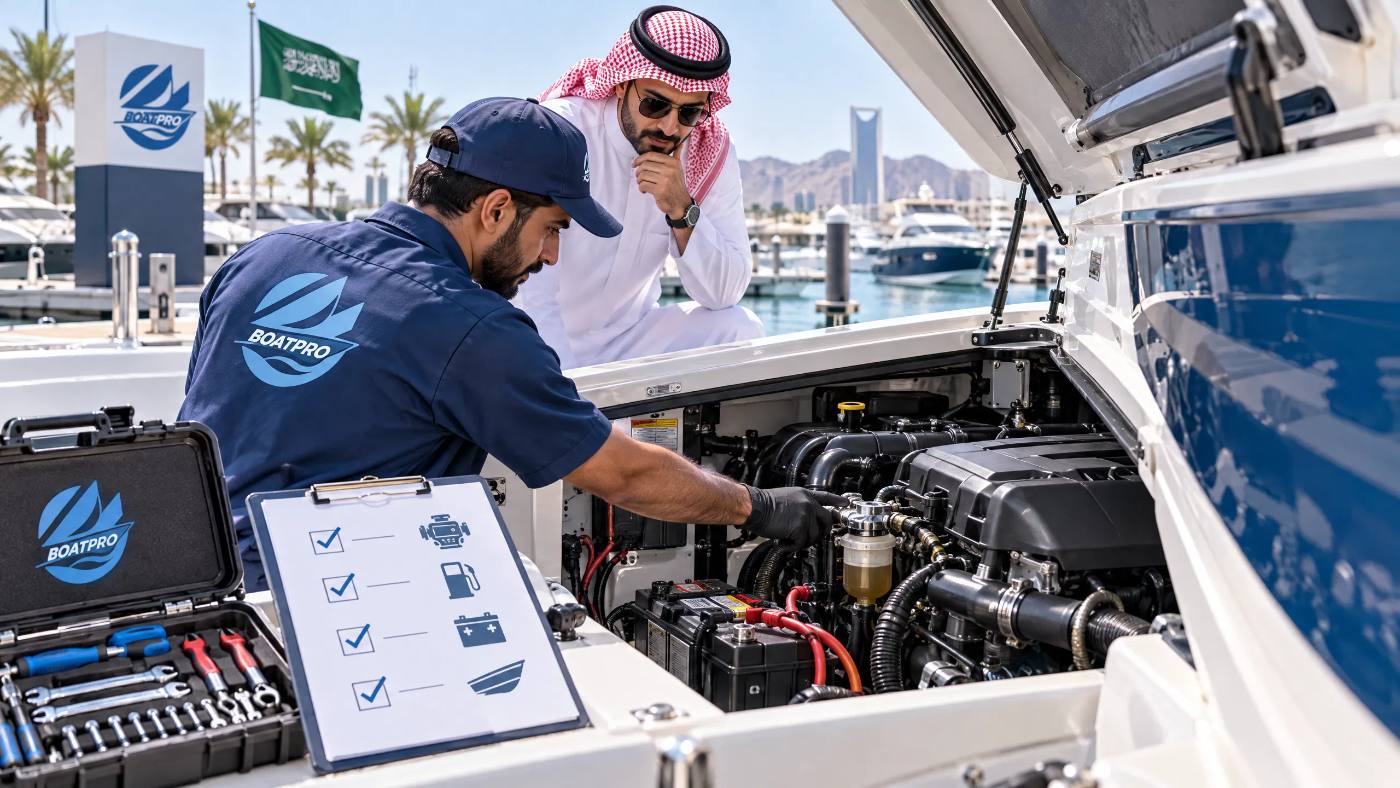
Inspection procedures vary depending on the engine type and model, so begin by reviewing its operating and maintenance manual.
Inspect visible components for damage or leaks, and check for loose connections or unusual signs. Do not substitute instructions for a different engine for the manual specific to your engine.
Checking Oil and Operating Fluids
Check the oil level and any other fluids specified by the manufacturer, following the correct measurement procedure.
If you notice repeated fluid loss or an unusual change in the oil's color or consistency, have the cause investigated rather than simply adding more oil.
Make sure you use fluids that meet the engine's specifications.
Monitoring Temperature and Cooling Indicators
Check the temperature indicators and cooling system according to the operating instructions.
If an overheating warning appears, cooling performance weakens, or the cooling-water flow changes abnormally, stop operating the engine in accordance with the safety procedures in the manual.
Do not restart the engine until the cause has been identified and addressed.
Watching for Unusual Sounds and Vibrations
Monitor engine performance during operation using the recommended safe procedure.
New sounds, unusual vibrations, difficulty starting, or warnings on the dashboard may indicate a problem that requires inspection.
Do not attempt to diagnose a fault based on sound alone, and never approach moving components while the engine is running.
When Should You Postpone the Trip and Call a Technician?
Postpone the trip if you notice a fuel leak, a significant engine warning, abnormal overheating, or a problem with the propulsion or control system.
The same applies if a problem arises that you cannot safely assess yourself.
Oil, filter, and routine maintenance intervals should be determined according to the engine type, the manufacturer's manual, operating hours, and usage conditions. There is no single maintenance interval suitable for every marine engine.
As part of BoatPro's interest in the boat, yacht, and marine experience sector, interested users can visit the platform's official website to learn about its work and target audiences. Engine maintenance and repairs should be carried out by qualified technical professionals.
Inspecting Fuel, the Battery, and Electrical Systems
Ensuring There Is Enough Fuel
Before sailing, make sure the fuel supply is sufficient for the planned distance and expected return time, with an appropriate reserve for delays or route changes.
Do not rely on distance estimates alone. Consider the engine type, operating conditions, and the manufacturer's instructions.
Looking for Fuel Leaks or Unusual Odors
Inspect visible areas around the fuel tank, hoses, and connections for leaks.
If you notice an unusual fuel odor, do not start the engine or operate any electrical source that could create a spark. Follow the boat's safety procedures.
Do not attempt to repair the leak yourself. Consult a qualified technician before considering departure.
Checking the Battery and Visible Connections
Check the battery's condition and charging indicators. Inspect visible connections for corrosion, damage, or looseness.
Do not touch exposed wires or attempt to handle damaged connections, especially in areas that may be exposed to water or fuel vapors.
Testing Lights, Communications, and Navigation Equipment
Make sure the lights required for your trip are working, along with the communications and navigation equipment available on the boat.
Check the charge of portable devices and ensure you have suitable backup communication options. Do not rely on a single device if the nature of the trip calls for alternatives.
When Do You Need a Marine Electrician?
If you notice repeated power interruptions, abnormally hot connections, sparks, or damaged wiring, stop using the affected equipment and arrange for a professional inspection.
These checks are part of preparing the boat and can help reduce the likelihood of encountering problems during a trip.
You can learn more about BoatPro and the marine platform in Saudi Arabia to understand its focus and target audiences, while relying on a qualified technician for electrical repairs and maintenance.
Marine Safety Equipment to Check
Life Jackets and Buoyancy Equipment
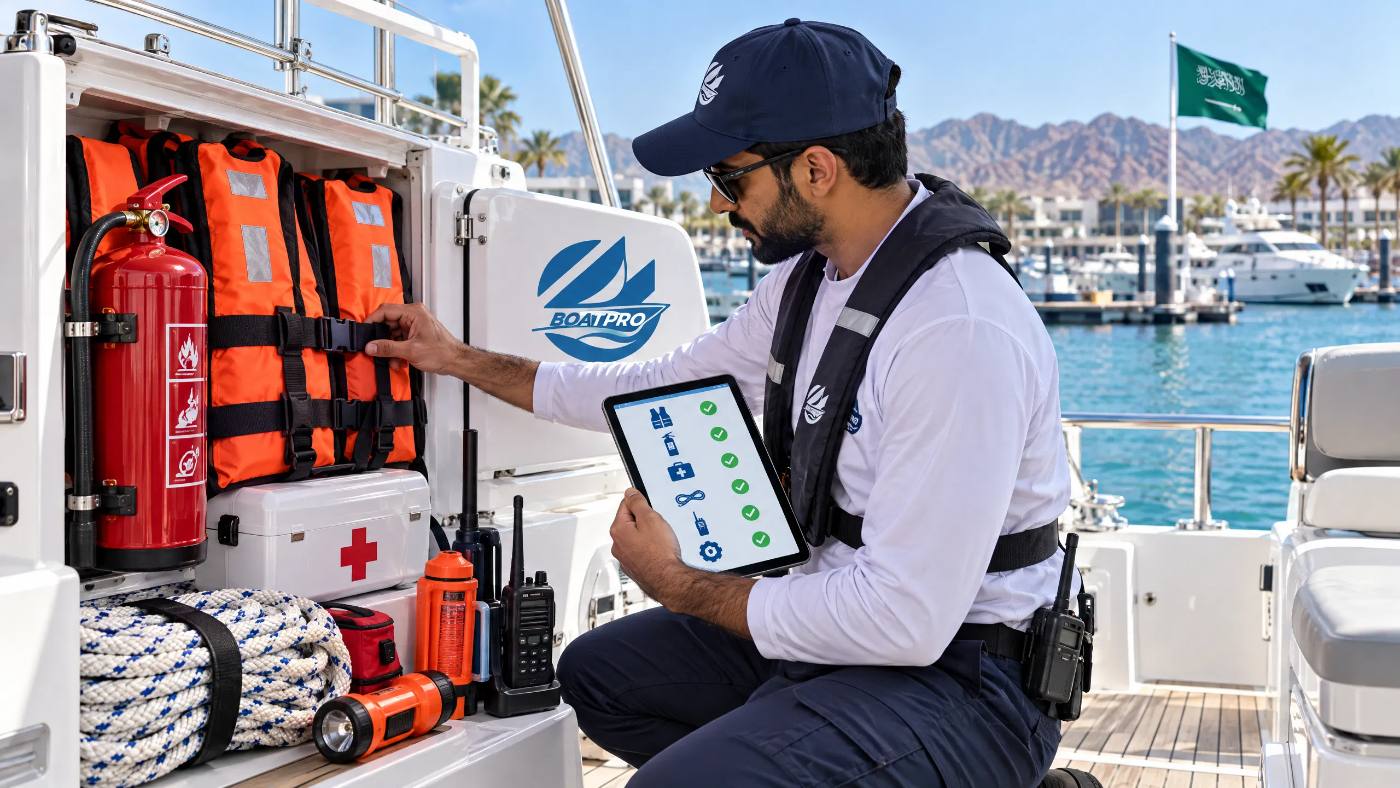
Make sure there are suitable life jackets for the number and sizes of passengers, that they are in good condition, and that they can be accessed easily.
Also check any other buoyancy equipment on board according to the vessel and trip requirements.
Fire Extinguishers and Emergency Equipment
Check that suitable fire extinguishers are present, in good condition, within their service validity where applicable, and easy to reach.
Also review the emergency equipment required for your boat type and ensure that passengers know where it is located and how to request assistance if necessary.
Communication and Distress Signaling Devices
Test the available communication devices and make sure you know how to use them.
Some trips may require additional distress signaling equipment depending on the vessel, sailing route, and applicable requirements.
First Aid
Check the first-aid kit and its contents. Make sure essential supplies are within their expiration dates where applicable and stored in a dry, easily accessible location.
Checking Saudi Safety Requirements
Do not rely on a general checklist alone. Review the official requirements that apply to your boat type and trip.
You can consult the Saudi Red Sea Authority's official website for relevant guidance on yacht-related activities, and contact the appropriate authority to confirm the latest requirements.
These checks are part of responsible trip preparation, which is important for everyone interested in boats and yachts, including the audience targeted by BoatPro.
Preparing to Sail Along the Red Sea and Arabian Gulf Coasts
Checking the Weather and Sea Conditions Before Every Trip
Marine conditions can change from one day to the next. Check the latest weather forecasts and marine warnings before departure, and monitor updates that could affect your route.
Do not rely on outdated information or conditions experienced during a previous trip when deciding whether to sail.
Planning Your Route and Return Time
Set your intended route and stopping points, and estimate the time required for the outward and return journeys, allowing an appropriate time buffer.
Inform someone you trust of your plans and expected return time, and update them if your plans change.
Ensuring You Have Suitable Communication Equipment
Make sure your communications and navigation devices are working and that you have an appropriate way to request assistance for your sailing area and trip.
Do not assume that mobile phone coverage will be available at every location.
How Equipment Requirements Vary by Trip and Boat Type
Equipment requirements vary according to the boat type, number of passengers, trip duration, and distance from shore.
Review the operating instructions and relevant official requirements before departure, whether you are sailing along the Red Sea coast or the Arabian Gulf.
People interested in exploring the boat, yacht, and marine experience sector in Saudi Arabia can visit the official BoatPro website to learn about the platform and the audiences it targets.